The Ultimate guide to decoding skincare ingredients (INCI Explained)
Stop buying the Marketing. Start reading the Labels
Have you ever stood in the skincare aisle, paralyzed by “decision fatigue,” staring at a beautiful bottle that promises a “miracle glow,” only to wonder what is actually inside? You aren’t alone. For most of us, flipping a product over to read the label feels less like shopping and more like trying to decipher an ancient, scientific code. Between the 20-letter chemical names and the confusing “clean beauty” claims, it’s easy to feel like you need a Chemistry degree to wash your face.
But what if you had a “decoder ring” that worked for every product in the world?
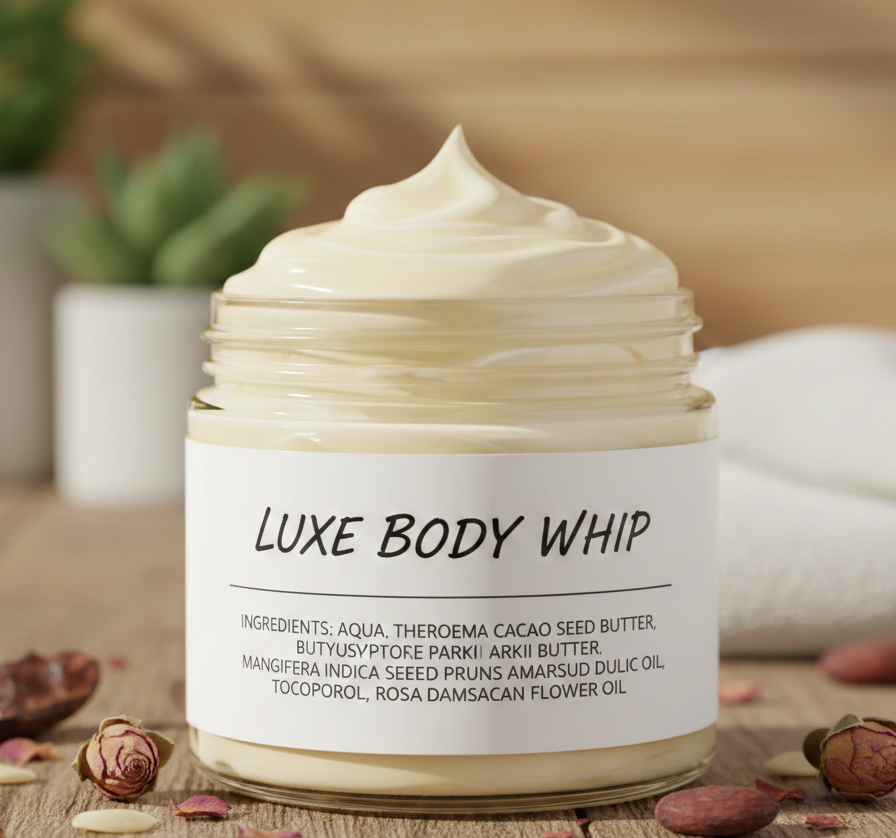
Enter the INCI list. Standing for International Nomenclature of Cosmetic Ingredients, INCI is the global standardized language used to identify every component in your creams, serums, and cleansers. Whether you are shopping in a boutique in Paris or a drugstore in New York, the names stay the same. Learning to read this list is the most critical skill you can develop for your skin health. It allows you to see past the flashy gold foil packaging and expensive celebrity endorsements to understand a product’s true efficacy.
However, it is essential to remember that an INCI name is a tool for identification, not necessarily a guarantee of safety or performance. As the Personal Care Products Council explains:
“The designation of an INCI name for a cosmetic ingredient is an essential part of ingredient identification; however, just because an ingredient has an INCI name does not mean that the ingredient has been approved for cosmetics. The assignment of an INCI name to an ingredient also does not imply that the ingredient is safe, or that its use in a cosmetic product complies with the laws and regulations of the United States or other global regions.” (Source: Personal Care Products Council)
Essentially, the manufacturer is responsible for ensuring safety, but we are responsible for understanding what we are buying. When you know how to read an ingredient deck, you stop being a “consumer” and start being an “expert” on your own skin. You’ll learn to spot the high-quality humectants that actually hydrate, the emollients that soften, and the occlusives that protect your skin barrier—while avoiding the expensive fillers that do nothing but take up space.
Welcome to Part 1 of our “Master the Label” series. Over the next two posts, we are going to strip away the mystery of skincare formulation. We’re starting today with the “Moisture Trio”—the fundamental building blocks of almost every cream and lotion in your cabinet. By the end of this series, you won’t just be buying skincare; you’ll be curating it with confidence.