
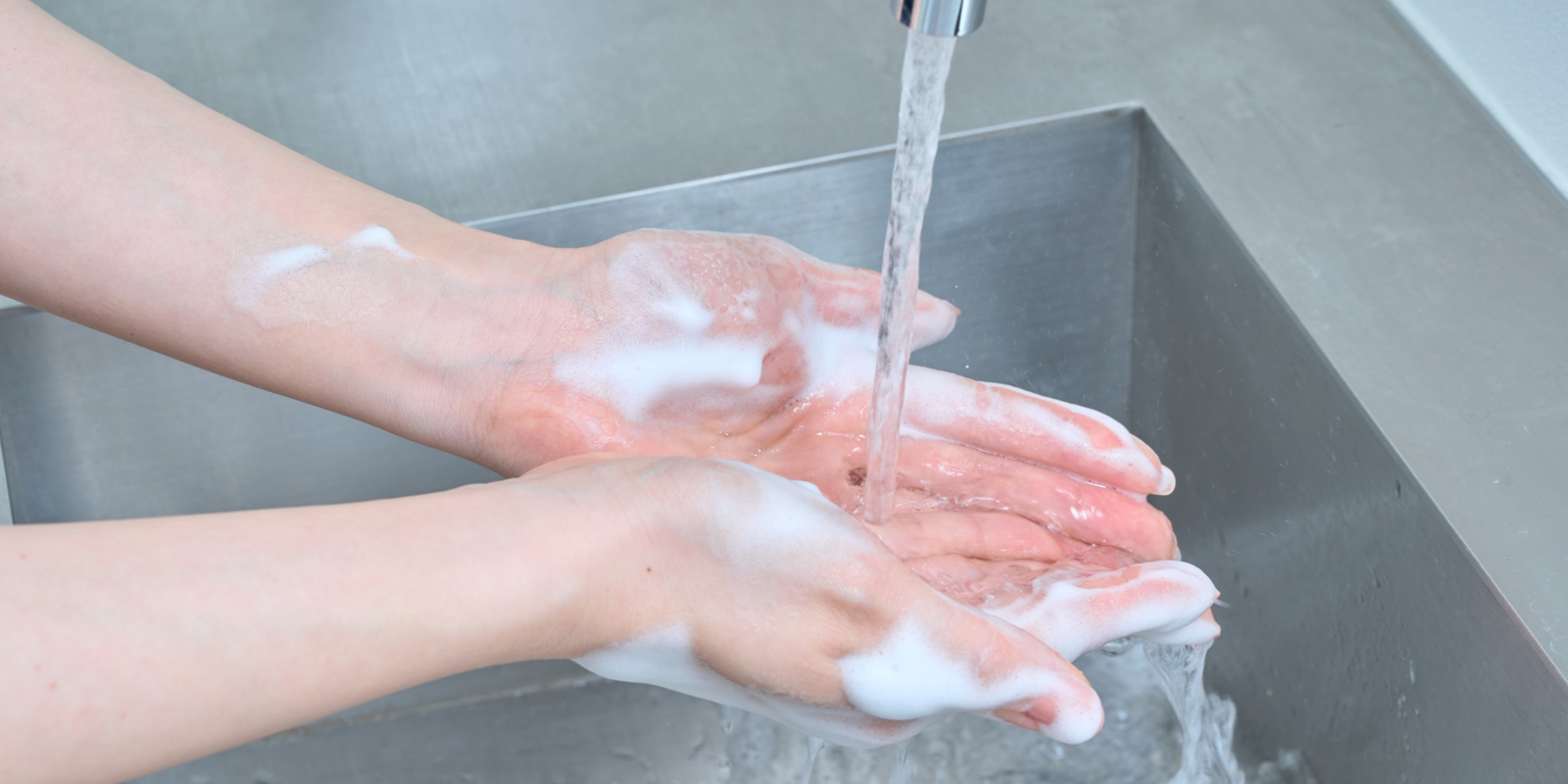
The Best Way To Wash Your Hands In Winter
Hand Care Heroes: Protecting Your Skin Barrier During Frequent Handwashing.
In our modern world, frequent handwashing is a non-negotiable part of staying healthy. But as winter bites, that essential hygiene can come at a cost: dry, red, and painfully cracked hands. It’s a common complaint, but at Moisture Minded, we believe you can have both clean hands and a healthy skin barrier.
The Handwashing Dilemma: Why Cracks Appear
Your hands are constantly exposed to the elements and friction. Unlike other areas of your body, they have fewer sebaceous (oil-producing) glands. Which means they’re naturally more prone to dryness.
When you combine this natural vulnerability with:
- Hot Water: Strips away natural oils.
- Harsh Soaps: Disrupt the skin’s pH and dissolve its protective lipids.
- Frequent washing doesn’t allow the skin barrier time to recover.
- Cold, Dry Air: Accelerates moisture evaporation.
You create a perfect storm for skin cracks, which aren’t just uncomfortable, they can also make you more susceptible to infection.
Your Winter Handwashing Survival Guide
1. Choose Your Cleanser Wisely
Forget the “squeaky clean” feeling; for winter hands, “silky clean” is the goal.
- What to Look For: Opt for “soap-free” cleansers or those labeled “hydrating,” “moisturizing,” or “pH-balanced.” Look for ingredients like Glycerin or Ceramides near the top of the ingredient list.
- What to Avoid: Steer clear of harsh sulfates (like Sodium Lauryl Sulfate) and strong antibacterial soaps with triclosan (often found in older formulations), which can be overly stripping.
2. Temperature Matters
A steaming hot wash might feel good, but it’s a villain for your skin barrier.
- The Best Temperature: Use lukewarm water. It’s just as effective at cleaning but far gentler on your skin’s natural oils.
3. The “20-Second Rule” and Technique
It’s not just about what you use, but how you use it.
- Gentle Lather: Rub hands together with mild pressure to create a lather, ensuring you cover all surfaces (palms, backs, between fingers, under nails).
- Rinse Thoroughly: Make sure no soap residue remains, as it can be irritating.
4. The Golden Rule: Moisturize IMMEDIATELY
The most critical step: every time you wash your hands, follow up with a hand cream.
- The “Damp Lock” Method: Gently pat your hands with a towel, leaving them slightly damp. Apply a generous dollop of hand cream (look for Shea Butter, Glycerin, or Dimethicone). This locks in the moisture from the wash.
- Keep It Handy: Place tubes of hand cream by every sink in your house, in your car, and in your bag to ensure you never miss this crucial step.
5. Overnight Repair: The “Glove Treatment.”
For severely dry or cracked hands, an overnight treatment can work wonders.
The Method: Before bed, apply a very thick layer of a rich, occlusive balm (such as a petrolatum-based ointment or a thick shea butter cream) to your hands. Cover them with soft cotton gloves. It creates a deeply hydrating “mask” that helps repair the barrier while you sleep.
The Moisture Minded Takeaway: Your hands work hard for you every day. Please give them the care they deserve by adjusting your handwashing ritual, especially in winter. A little mindfulness goes a long way in keeping them healthy, hydrated, and crack